8-Year-Old Boy in Critical Condition After Shark Attack While Snorkeling in Florida
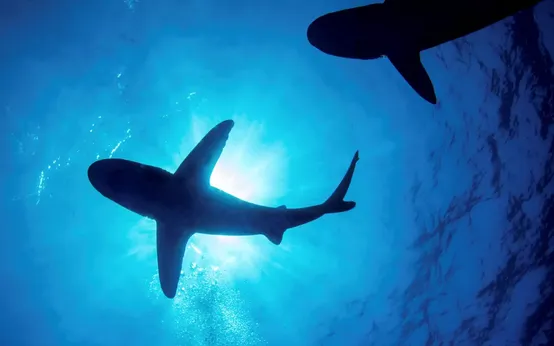
A family vacation in the Florida Keys turned into a nightmare when an eight-year-old boy was bitten by a shark while snorkeling off the coast of Key Largo. What was supposed to be an afternoon of exploring colorful reefs quickly became a life-threatening ordeal as the boy suffered severe injuries and lost a significant amount of blood. He was rushed by helicopter to a trauma center in Miami, where doctors immediately began emergency treatment to save his life.
The incident occurred on the afternoon of September 1, when the boy was snorkeling with his family near Horseshoe Reef, a well-known spot for tourists and local divers. Witnesses said the child had been in the water only a short time when chaos erupted. Screams echoed across the surface as blood began spreading rapidly in the water. The boy was pulled aboard a nearby support boat, pale and weak, as family members and rescuers fought to stop the bleeding. Emergency responders applied two tourniquets to his leg and wrapped the wound in bandages to slow the blood loss before rushing him back to shore.
Paramedics reported that the boy had lost a “significant” amount of blood and described his condition as severe. Within minutes of arriving at the dock, he was airlifted to Jackson Memorial Hospital’s Ryder Trauma Center in Miami. Doctors immediately began surgery late that evening, working to repair the deep wounds and stabilize his condition. Though his situation remains critical, hospital staff confirmed that the child survived the initial surgery and is under close observation.
For many in the Florida Keys, the attack was a grim reminder that sharks are an unavoidable part of the ocean environment. Florida consistently leads the world in shark encounters, particularly in coastal areas where swimmers, snorkelers, and surfers share waters with a variety of shark species. According to data compiled by the International Shark Attack File, Florida reported 14 confirmed shark bites in 2024, making it the global leader. While most encounters are minor and rarely fatal, the sheer number of incidents in Florida highlights the risks present in these popular vacation spots.
What made this case particularly shocking was the victim’s age. The boy, only eight years old, was described by those present as being full of energy and excitement before the attack. His youth and vulnerability struck a chord with both residents and tourists who frequent the Keys. Several witnesses expressed horror at the scene, with one recalling how the water “turned red almost instantly.” Another said they had never seen such a rapid medical response, emphasizing that the quick action of rescuers and emergency services likely saved the boy’s life.
Shark attacks in Florida, while relatively common compared to other places, rarely result in such severe blood loss. Experts note that most bites are “test bites,” where sharks mistake swimmers for prey and then quickly retreat. However, in this case, the injury was deep enough to threaten the boy’s life within minutes. Marine biologists believe it was likely a larger reef shark or bull shark, both of which are known to inhabit the waters around Key Largo.
This attack follows a series of recent incidents across U.S. coastal waters that have heightened public concern. Just days earlier, another eight-year-old child in Galveston, Texas, suffered a minor shark bite while playing near the shore. Earlier in the summer, a teenage girl in New Smyrna Beach, Florida—often called the “shark bite capital of the world”—sustained injuries to her leg after a shark encounter while surfing. These back-to-back events have fueled discussions about whether enough is being done to warn swimmers and protect vulnerable areas.
Authorities emphasize that the risk of shark attacks, while frightening, remains statistically low. Millions of people swim in Florida waters every year without incident. Still, wildlife officials advise caution and recommend common-sense measures such as avoiding swimming at dawn or dusk, when sharks are most active, refraining from wearing shiny jewelry that can resemble fish scales, and staying away from large schools of fish or fishing boats that attract predators.
The Labor Day weekend, when the Florida Keys are crowded with tourists, only magnified the impact of the attack. Families who had traveled for the holiday gathered anxiously along the docks as emergency crews responded. Social media quickly lit up with posts from locals warning visitors to be cautious in the water. Some questioned whether popular snorkeling spots should be more closely monitored, especially for children.
Medical experts stress that the boy’s recovery will depend on how his body responds in the coming days. With such a large loss of blood, complications like infection, nerve damage, or long-term mobility issues remain possible. Still, trauma surgeons at Ryder Trauma Center are known for their expertise in handling life-threatening injuries, and many believe the boy has a strong chance of survival thanks to the rapid emergency response.
For the family, the ordeal has been devastating. What began as a joyful snorkeling trip meant to showcase the beauty of Florida’s reefs has left them traumatized. Local community members have expressed solidarity, with some setting up online campaigns to provide support. Others are urging state officials to review safety measures and provide clearer warnings to visitors about the potential dangers of snorkeling in open waters.
As shocking as this incident is, experts caution against panic. Statistically, people are far more likely to be injured driving to the beach than to be bitten by a shark once they arrive. Nonetheless, the image of a child fighting for his life after a shark attack is difficult to erase. For many parents, the event raises painful questions about how safe their children truly are in the ocean.
While the boy’s future remains uncertain, his story has already made a profound impact. It serves as both a sobering reminder of the power of nature and a testament to the bravery of first responders who acted swiftly under immense pressure. Whether this tragedy will lead to policy changes or new safety measures is still unknown, but for now, the focus remains on the recovery of a child whose life was forever altered in the waters of Key Largo.