Far beneath the shifting ice of the Arctic Ocean, a secretive and ambitious operation is quietly reshaping the future of global trade and geopolitics. China and Russia, two of the world’s most powerful nations, are intensifying their cooperation and investments in the Arctic, a region rapidly becoming accessible due to climate change and melting ice. What exactly are they doing beneath the frozen surface, why now, and how will this transform the Arctic and the wider world? The answer lies in their strategic partnership to dominate the Arctic’s resources, shipping routes, and geopolitical influence.

The Arctic’s Geostrategic and Economic Importance
The Arctic Ocean holds vast untapped natural resources, including oil, gas, minerals, and fisheries. It also offers a potentially game-changing maritime corridor known as the Northern Sea Route (NSR), which runs along Russia’s northern coast. This route drastically shortens shipping times between Europe and Asia compared to traditional passages like the Suez Canal. As global warming reduces sea ice, the NSR is becoming increasingly navigable year-round, promising huge economic benefits and a new frontier for global trade.
Russia has long viewed the Arctic as its strategic backyard. With a massive military presence on its northern coast, including nuclear icebreakers, missile facilities, and naval bases, Russia aims to control and gatekeep the region. Its “Bastion Defense” strategy seeks to deny access to rivals and maintain dominance over Arctic commercial and military activities. However, Russia lacks sufficient capital and technology to fully develop the Arctic’s potential alone.
China’s Arctic Ambitions: The “Near-Arctic” Power
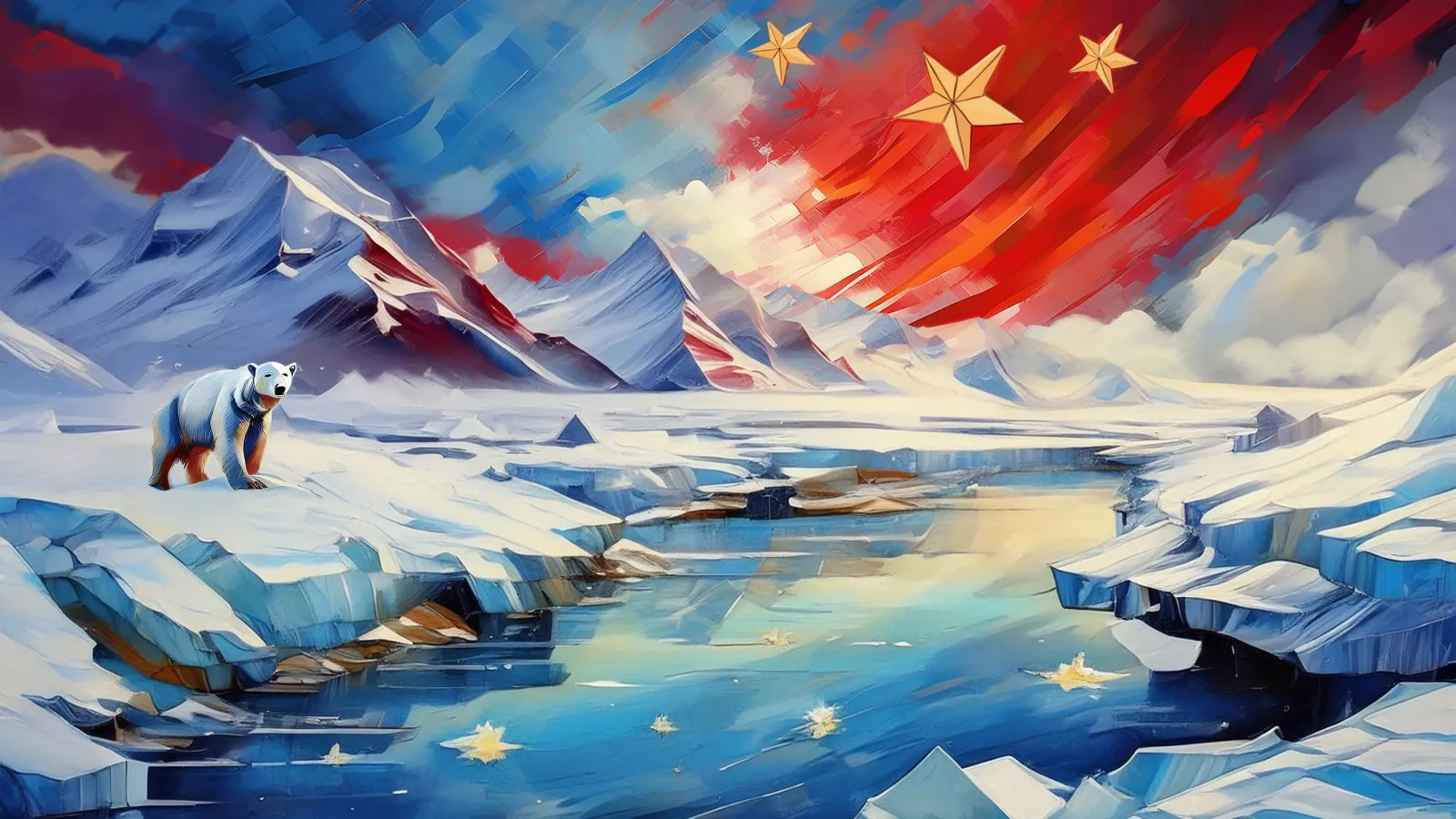
China, though not an Arctic state, has declared itself a “near-Arctic” power and is aggressively pursuing a foothold in the region. Through its Belt and Road Initiative, China launched the “Polar Silk Road,” investing over $90 billion in Russian Arctic infrastructure, energy projects like the Yamal LNG plants, and shipping ventures. China’s involvement provides Russia with critical funding and technology, while China gains access to the NSR and Arctic resources, reducing its dependence on vulnerable trade chokepoints like the Strait of Malacca and the Suez Canal.
Chinese companies, including shipping firms and logistics groups, are increasingly active along the NSR, often in partnership with Russian entities. This cooperation extends to joint research on Arctic environmental changes and infrastructure suited for extreme conditions. China is also developing its own icebreaker fleet to support Arctic navigation.
Deep Cooperation and Emerging Tensions
Since 2018, China and Russia have steadily deepened their Arctic collaboration, including joint military drills, technological exchanges, and coordinated governance frameworks. In 2023, a maritime law enforcement agreement between Russia’s FSB Border Guard Service and the Chinese Coast Guard formalized joint security efforts, ostensibly to combat smuggling and illegal activities but also effectively integrating China into Arctic “soft” security architectures.
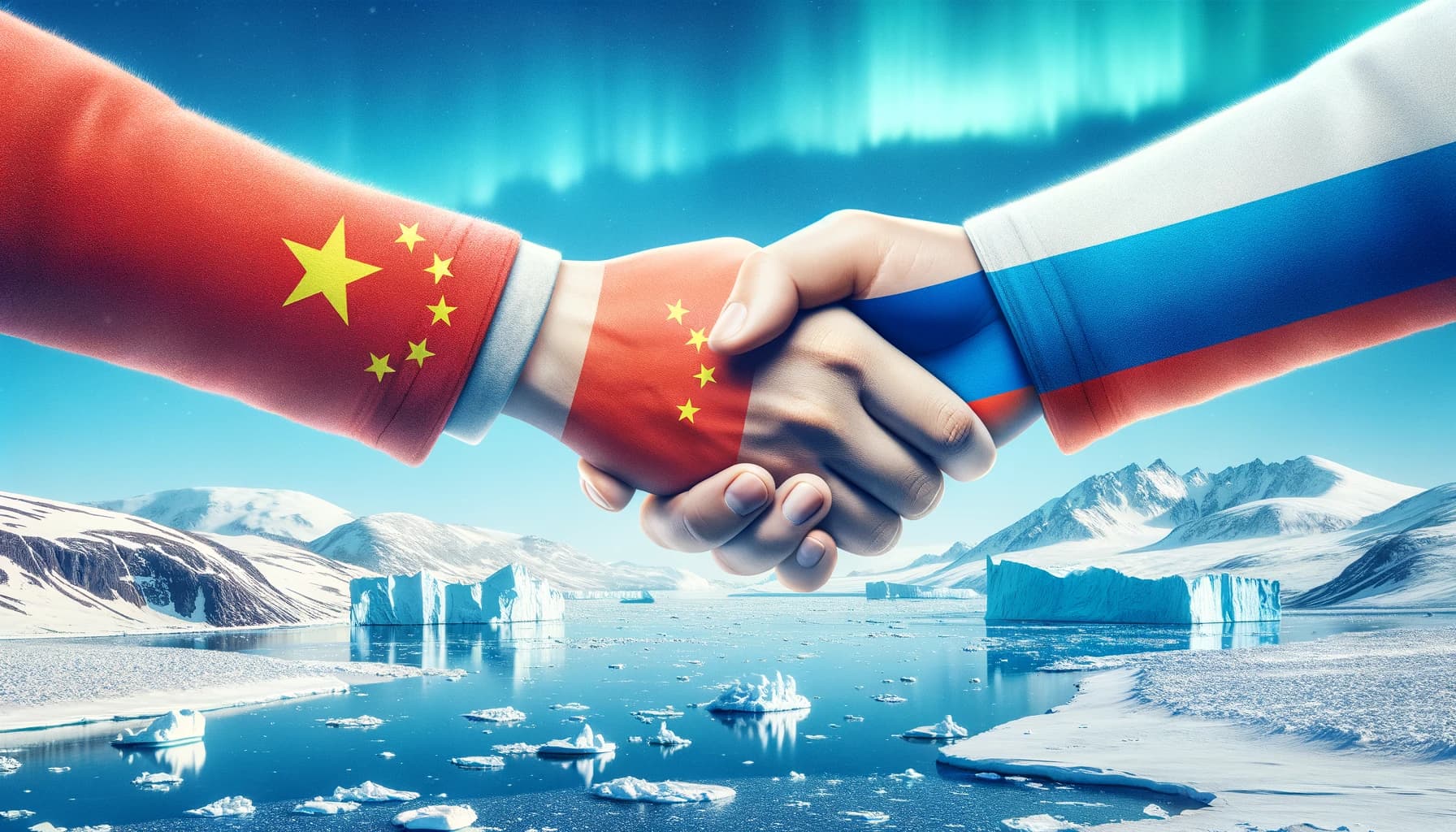
Yet, this partnership is not without tensions. Russia holds geographical control and military dominance, while China brings capital and global ambitions. Some analysts warn that Russia risks becoming a junior partner as Chinese influence grows. Moreover, China’s economic focus contrasts with Russia’s security-driven approach, suggesting their interests may not always align perfectly.
The Global Implications: A New Arctic Order
The quiet digging and development beneath the Arctic ice symbolize a profound shift in global power dynamics. By establishing a year-round shipping corridor, China and Russia could rewrite global trade routes, reducing transit times and costs while challenging Western-controlled chokepoints. The Arctic’s vast resources could fuel their economies for decades, enhancing their geopolitical leverage.

This emerging Sino-Russian Arctic alliance also complicates international governance. The Arctic Council, traditionally dominated by the eight Arctic states, now faces pressure from China’s growing role. Western nations worry about militarization, environmental risks, and the erosion of established norms.
Conclusion: Changing Everything Beneath the Ice
China and Russia’s secretive Arctic operations beneath the frozen surface are far more than resource extraction or infrastructure projects. They represent a strategic partnership reshaping the future of global trade, security, and geopolitics. As the ice melts and the Arctic opens, these two powers are positioning themselves to control a new economic frontier and challenge the existing world order.
The consequences will ripple across continents—altering trade routes, intensifying geopolitical rivalries, and raising urgent questions about environmental stewardship and international cooperation. The Arctic is no longer a remote wilderness but a central stage for 21st-century power struggles. What happens beneath the ice today will shape the world’s future tomorrow.