Trump and Allies Intensify Campaign to Undermine Trust in U.S. Elections Ahead of Midterms
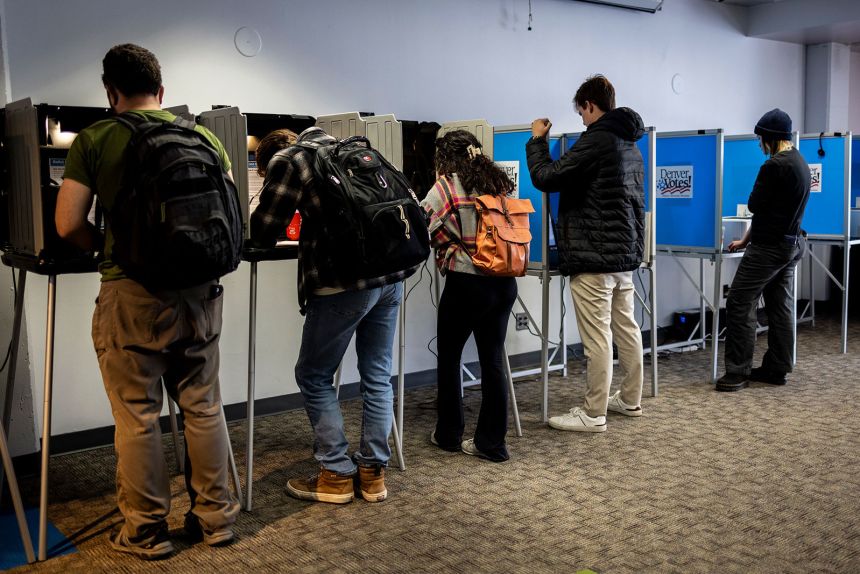
As the 2022 midterm elections approach, former President Donald Trump and his allies are ramping up efforts to cast doubt on the integrity of the U.S. electoral process. Through a coordinated mix of public statements, legal challenges, social media messaging, and political endorsements, Trump and a growing number of Republican candidates continue to question the legitimacy of the 2020 presidential election—despite a lack of evidence and repeated court rejections.
At the heart of the campaign is a narrative that the American electoral system is vulnerable to fraud and manipulation. Trump has maintained that the 2020 election was “stolen” from him, a claim thoroughly debunked by bipartisan election officials, judges, and independent audits. Yet, this message has taken root among a significant portion of the Republican base and is shaping the platform of many midterm candidates across key battleground states.
In states like Arizona, Pennsylvania, and Georgia, Trump-endorsed candidates for secretary of state — a role that oversees elections — have embraced election denial as a core issue. These candidates have signaled intentions to overhaul election procedures, increase restrictions on mail-in voting, and in some cases, revisit the certification process for past elections.
Critics argue that these moves represent a direct threat to democratic norms. “We’re witnessing an orchestrated attempt to delegitimize free and fair elections,” said David Becker, executive director of the Center for Election Innovation & Research. “This isn’t about protecting election integrity. It’s about eroding trust in the system for political gain.”
Election officials across the country report increased harassment and threats, particularly in states where Trump’s election claims remain a dominant political issue. Many have raised concerns that continued misinformation could lead to voter suppression, a rise in political violence, and long-term damage to public faith in the democratic process.
Meanwhile, pro-Trump media outlets and influencers continue to amplify claims of irregularities, often with little or no evidence. These narratives have contributed to a sharp partisan divide in how Americans view the electoral system. According to a recent Pew Research survey, nearly two-thirds of Republican voters believe that the 2020 election was not conducted fairly — a belief largely driven by Trump’s messaging and that of his allies.
Despite the controversy, Trump’s influence in the GOP remains strong. His endorsement is often a deciding factor in primary races, and many Republican candidates now feel pressure to align with his views on election integrity to win support from the party’s base.
Some Republican officials, however, have expressed concern. Georgia Secretary of State Brad Raffensperger, who resisted pressure from Trump in 2020 to overturn the election results, warned that the ongoing focus on disproven fraud claims could hurt the party in the long run. “We need to focus on the future, not relitigate the past,” he said.
As early voting begins in some states, election watchdogs and democracy advocates are urging voters to stay informed, verify their sources, and remain vigilant against efforts to spread false narratives. With the stakes high and the political climate deeply polarized, the outcome of the 2022 midterms may not only determine control of Congress but also the future of public trust in American elections.