Elon Musk’s History of Fractured Relationships Raises Questions About His Leadership Style
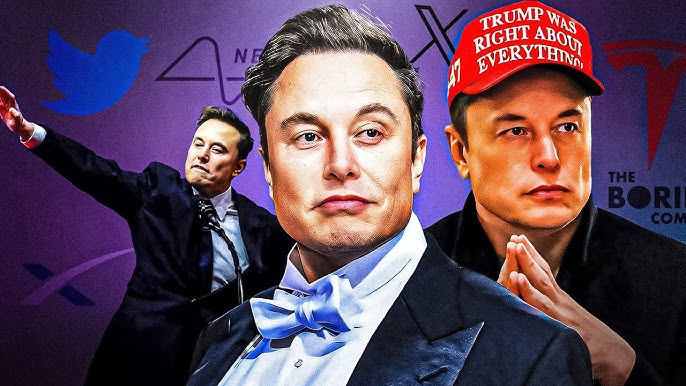
Elon Musk is one of the most influential figures in modern technology. As the CEO of Tesla, founder of SpaceX, and driving force behind ventures like Neuralink and xAI, he’s often praised as a visionary reshaping industries. But beyond the headlines and bold innovations, Musk has developed a reputation for something else: a pattern of strained personal and professional relationships, many of which have ended in high-profile fallouts.
People who have worked closely with Musk describe him as intense, driven, and uncompromising — traits that have fueled his success but also alienated those around him.
“He busts up with everybody,” said a former Tesla executive. “It doesn’t matter how close you are to him — eventually, the relationship blows up.”
Friends, Partners, and Family: A Pattern Emerges
Musk’s personal history is filled with examples of close relationships that eventually soured. His early partnership with Martin Eberhard, Tesla’s co-founder, ended in a bitter legal battle over the company’s origins. His alliance with PayPal co-founder Peter Thiel faded as their political and business paths diverged. Romantically, Musk has been married and divorced multiple times, and his relationships with actress Talulah Riley and musician Grimes ended publicly and dramatically.
In one of the most personal rifts, Musk’s daughter Vivian filed legal documents in 2022 to change her name and gender, stating she no longer wished “to be related to my biological father in any way.”
These fallouts aren’t limited to family or romantic ties. Several senior engineers, executives, and board members from Tesla, SpaceX, and Twitter (now X) have left under tense circumstances. Many cited a toxic work culture and Musk’s explosive management style as key reasons for their departures.
“Genius, but Difficult”
Insiders describe Musk as a man who expects total loyalty and complete alignment with his vision. Disagreements, even minor ones, can quickly escalate into confrontations. Former colleagues note that Musk rarely tolerates dissent and is quick to sever ties with those he no longer trusts.
“He’s brilliant, no doubt,” said a former Neuralink employee. “But he thrives in chaos and often creates it. That’s not sustainable for most people.”
Despite this, Musk commands deep loyalty from many of his fans and employees. Some argue that his demanding nature is part of what makes him successful. Others warn that without strong, lasting relationships, even the boldest ideas can collapse.
Public Persona, Private Isolation
As Musk’s public presence has grown — especially through his ownership of X — so has the scrutiny of his personal life. Reports suggest that his circle of trusted allies has shrunk in recent years. Many of his once-close friends, such as investor Antonio Gracias and venture capitalist Steve Jurvetson, have stepped back or cut ties entirely.
Leadership experts say this pattern could pose risks, not just to Musk personally but to the companies he leads.
“No one builds the future alone,” said Dr. Marissa Klein, a leadership psychologist at Stanford. “Sustainable innovation requires stable teams. And stable teams require trust, respect, and long-term relationships.”
What’s Next?
As Musk pushes forward with ambitious plans for robotaxis, humanoid robots, artificial general intelligence, and interplanetary travel, the question isn’t just whether he can invent the future — but whether he can bring people with him.
For now, Musk remains at the center of the tech universe. But the growing list of burned bridges could eventually catch up with even the most unstoppable force.