Mosquito-Borne Virus Spreading Fast in China – CDC Warns U.S. Travelers to Stay on Guard
The U.S. Centers for Disease Control and Prevention (CDC) has issued a travel alert for Americans planning trips to China after health authorities confirmed multiple cases of a mosquito-borne virus in several regions. The warning, released earlier this week, urges travelers to remain vigilant and take proactive steps to protect themselves from infection, as cases appear to be rising during peak mosquito season.
According to the CDC, the virus—transmitted through the bites of infected mosquitoes—can cause symptoms ranging from fever, rash, and joint pain to more severe complications in rare cases. While most infections are not life-threatening, health experts stress that preventing mosquito bites remains the most effective way to avoid the disease. “Mosquito-borne illnesses can spread quickly, especially in warm and humid climates,” a CDC spokesperson said. “Travelers should be aware of the risks and use protective measures consistently.”
The alert specifies that certain provinces in southern and coastal China have reported higher-than-normal case numbers, likely due to weather conditions that have created ideal breeding grounds for mosquitoes. Stagnant water, increased rainfall, and rising temperatures have contributed to mosquito population growth, increasing the risk of viral transmission in both urban and rural areas.
Health officials recommend that travelers apply insect repellent containing DEET, picaridin, or oil of lemon eucalyptus on exposed skin, and wear long-sleeved shirts and long pants whenever possible, particularly during dawn and dusk when mosquitoes are most active. In addition, staying in accommodations with air conditioning or screened windows, and sleeping under mosquito nets in areas with poor infrastructure, can significantly reduce exposure.
Medical professionals emphasize that while the majority of those infected will experience mild symptoms, certain groups—such as pregnant women, the elderly, and individuals with pre-existing medical conditions—may face a higher risk of complications. In some mosquito-borne diseases, infection during pregnancy can cause birth defects, which makes prevention measures especially critical. The CDC also advises travelers to monitor their health for up to two weeks after returning to the U.S., as some symptoms can develop days after exposure.
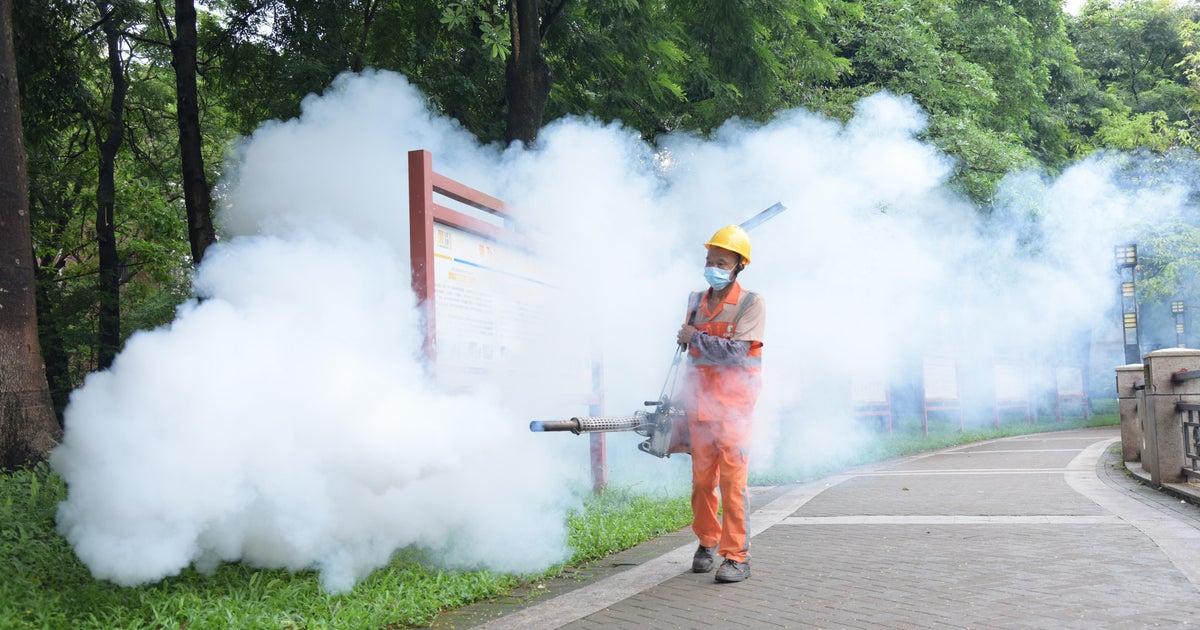
Local Chinese health authorities have launched mosquito control campaigns, including spraying insecticides and encouraging communities to eliminate standing water where mosquitoes breed. Public health announcements have been broadcast in affected regions to inform residents and visitors about personal protection measures. “Awareness is our first line of defense,” a Chinese disease control official stated. “The more people understand how to prevent bites, the fewer cases we will see.”
The CDC’s alert follows similar warnings issued by other international health agencies in recent weeks, as the spread of mosquito-borne viruses has been observed not only in Asia but also in parts of Africa and South America. Epidemiologists caution that climate change, urbanization, and increased international travel are contributing to the global spread of such diseases. Warmer temperatures and unpredictable rainfall patterns are expanding the habitats of disease-carrying mosquitoes, making outbreaks more frequent in areas previously considered low-risk.
For American travelers, the CDC recommends scheduling a pre-travel health consultation to receive up-to-date information on regional risks and to discuss any necessary vaccinations or preventive medications. While there is no specific vaccine for this particular virus, supportive care and early symptom recognition can help reduce the severity of illness and prevent complications.
Travel industry experts note that the alert is unlikely to halt all tourism to China but may cause some travelers to adjust their plans, particularly those visiting rural or coastal areas where mosquito populations are harder to control. Some tour operators have already begun including mosquito protection tips in their travel itineraries and providing repellents as part of tour packages.
Ultimately, health officials stress that while the risk is real, it can be significantly reduced through informed and consistent precautionary measures. “Travel should be enjoyed, but it should also be safe,” the CDC’s advisory reads. “By taking simple steps, you can protect yourself and help prevent the spread of mosquito-borne diseases.”
As the situation evolves, the CDC plans to update its travel guidance regularly, based on case reports from Chinese health authorities and global disease monitoring networks. In the meantime, travelers are urged to remain cautious, stay informed, and remember that prevention is far easier than treatment once infection occurs.