Terror in Mozambique: ISIS Accused of Beheading Christians and Burning Churches in What Activists Call a ‘Silent Genocide’
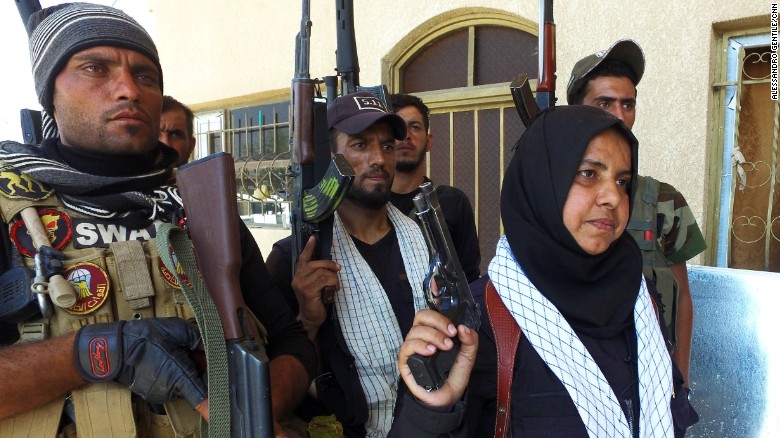
Mozambique, a nation already grappling with years of insurgency and poverty, is once again facing global attention after reports surfaced of horrifying attacks carried out by ISIS-affiliated extremists. Dozens of Christians in the northern region of the country have reportedly been brutally executed—some by beheading—while churches and homes were torched in a wave of religiously targeted violence that human rights groups are now calling a “silent genocide.”
The attacks reportedly took place in the Cabo Delgado province, a region that has seen increased Islamist insurgency since 2017. Armed militants stormed several villages in late July, according to local sources and missionaries who escaped the onslaught. Survivors describe scenes of unspeakable horror: residents chased from their homes, churches burned to the ground, and innocent civilians killed in broad daylight.
“They beheaded my uncle in front of my cousins. They burned the church we’ve prayed in for generations,” said one survivor, who asked not to be named for fear of retaliation. “They said they were cleansing the land.”
The violence was so intense that entire families were forced to flee into nearby forests and swamps, with little more than the clothes on their backs. Many are now living in makeshift camps without access to clean water, food, or medical care. The United Nations High Commissioner for Refugees (UNHCR) estimates that over 100,000 people have been displaced by violence in the region in the past few months alone.
Despite the scale of the crisis, international media coverage and government intervention have remained minimal—something that human rights advocates say is no accident. “This is a textbook example of a silent genocide,” said Emmanuel Nsereko, a spokesperson for the Pan-African Coalition on Religious Freedom. “These people are being killed not just for who they are, but for what they believe—and the world is barely watching.”
The ISIS-affiliated group behind these attacks, known locally as Al-Shabaab (not to be confused with the Somali group of the same name), has pledged allegiance to the Islamic State Central Africa Province (ISCAP). Their strategy has been to target civilians, particularly Christians, in an attempt to destabilize the region, impose radical Islamist rule, and control the natural gas-rich area of northern Mozambique.
The government of Mozambique has struggled to contain the insurgency. Though aided by Rwandan forces and a regional task force made up of troops from the Southern African Development Community (SADC), security remains fragile and poorly coordinated. Many villages lie hours away from the nearest military outpost, making them easy targets for extremists.
President Filipe Nyusi condemned the recent attacks, calling them “barbaric acts of terror against our people and our faith.” However, critics say that government response has been slow and largely ineffective. “They promise security, but we only see soldiers after everything has already burned,” said a priest from Pemba, the provincial capital.
Aid agencies attempting to reach displaced communities face their own risks, including ambushes and landmines. Religious organizations have been key to documenting atrocities, offering shelter, and raising international awareness—but even they are becoming targets. One missionary group reported the abduction of two priests and three nuns, whose whereabouts remain unknown.
As the violence intensifies, many fear that the targeting of Christians may spread to other parts of the country or even across borders. Mozambique shares porous frontiers with Tanzania and Malawi, both of which have growing concerns about regional Islamist networks.
Meanwhile, survivors are left with scars that go beyond the physical. “They didn’t just kill people—they tried to erase our history, our worship, our community,” said Maria, a teacher who lost her church and her husband in the same week. “We are Christians, but we are also Mozambicans. This is our land. Why are we being hunted like animals?”
The international community has slowly begun to respond, with the United Nations issuing a statement condemning the violence and urging humanitarian support. But many on the ground feel that without urgent and sustained attention, the situation could spiral into an even greater humanitarian catastrophe.
“This is not just about religion,” Nsereko emphasized. “It’s about the right to exist without fear. The right to live without being slaughtered for your faith. And right now, that right is being taken away from hundreds—if not thousands—of Christians in Mozambique.”
As night falls over Cabo Delgado, the smoke still rises from scorched villages. And in the silence that follows each attack, one message rings louder than ever: if the world continues to look away, the killing will not stop.