New Zealand Trial Opens in Shocking Case of Children’s Bodies Found in Suitcases
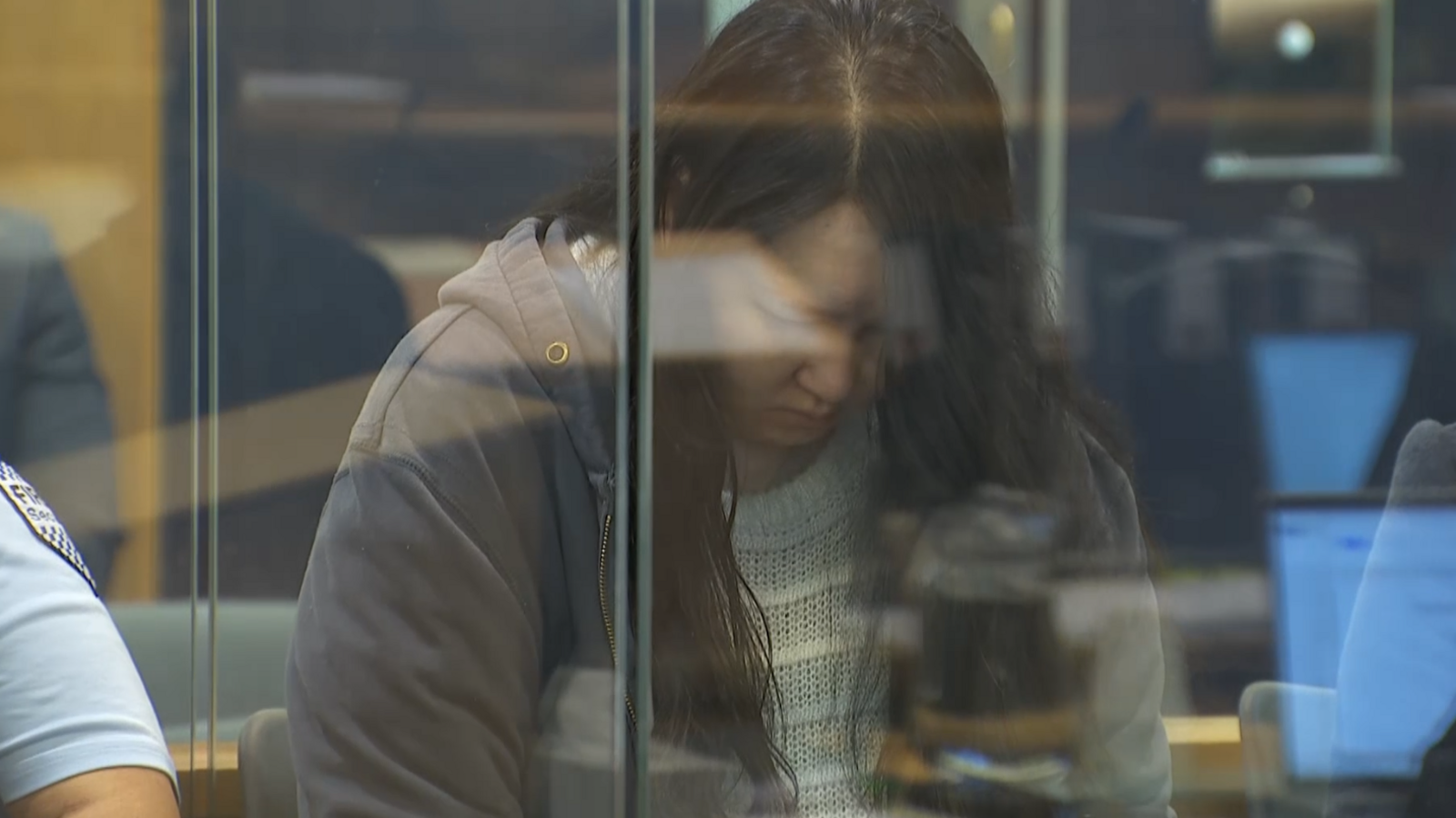
A case that has gripped both New Zealand and the international community is now moving into the courtroom, as a woman stands trial accused of murdering her two young children and concealing their remains in luggage. The shocking discovery, which first came to light when unsuspecting buyers purchased second-hand suitcases at an auction, has raised haunting questions about secrecy, family tragedy, and the pursuit of justice across borders.
A Gruesome Discovery
In August 2022, residents of a South Auckland suburb made a horrifying discovery that would send shockwaves around the world. After purchasing items from a storage unit auction, they opened two suitcases to find the remains of children hidden inside. Authorities quickly launched an investigation, confirming that the victims were siblings believed to be between five and ten years old at the time of their deaths.
Forensic experts determined the remains had been stored for several years before being uncovered. The case immediately drew international attention, not only because of its disturbing nature but also because of the mystery surrounding the children’s identities and the whereabouts of their family.
Arrest Across Borders
Within weeks, investigators traced the children’s mother to South Korea, where she had been living after leaving New Zealand. Acting on an international arrest warrant, South Korean police detained the woman in the port city of Ulsan.
After months of legal proceedings, she was extradited to New Zealand in late 2022 to face charges. She has consistently denied murdering her children, though prosecutors allege she deliberately killed them and attempted to cover up the crime by sealing their bodies in luggage left behind in a storage facility.
Court Proceedings Begin

This week, the long-awaited trial opened in Auckland. The defendant, whose name has been withheld to protect the children’s identities under New Zealand law, appeared in court facing multiple counts of murder.
Prosecutors outlined their case, arguing that the woman committed the killings several years earlier before leaving New Zealand and starting a new life abroad. They allege the concealment of the bodies was part of an effort to avoid detection and accountability.
“The concealment of these children was not an accident,” the prosecution told the jury. “It was a deliberate act designed to erase their existence from the public eye and from the record of accountability.”
The defense, however, insists the deaths were not the result of murder. Lawyers for the accused have suggested the children may have died under tragic but non-criminal circumstances, and that their client’s handling of the remains—however disturbing—does not prove she committed homicide.
Shockwaves Across New Zealand
The case has left many New Zealanders horrified and heartbroken. Vigils and memorials were held for the children shortly after the discovery, with community members laying flowers and toys in tribute to the lives cut short.
For many, the tragedy raised questions about how such deaths could go unnoticed for so long. The fact that the children’s remains were left abandoned in storage for years has fueled painful debates about family isolation, social systems, and whether opportunities were missed to intervene.
“This case has touched something very deep in our national consciousness,” said one Auckland community leader. “Two children lost their lives, and for years nobody knew. That silence is hard to accept.”
Global Fascination and Outrage
The case has also drawn significant international coverage, particularly in South Korea, where the accused was arrested. Media outlets across Asia, Europe, and North America have tracked the story, portraying it as a rare but chilling example of cross-border criminal justice.
The dramatic circumstances—suitcases, an auction, and the eventual arrest halfway around the world—have given the case a darkly cinematic quality that continues to attract global attention. Yet at its heart, observers remind, are two young victims whose short lives ended in unimaginable circumstances.
Legal and Ethical Complexities
The trial is expected to last several weeks, with testimony from forensic experts, investigators, and those who knew the family. Central to the proceedings will be the question of intent: did the mother deliberately murder her children, or were their deaths the result of other circumstances later concealed?
Legal analysts caution that proving murder beyond a reasonable doubt will require strong forensic evidence. After years of decomposition, medical examiners face challenges in determining an exact cause of death. The defense may exploit these uncertainties to argue that the prosecution’s case is built on assumptions rather than proof.
At the same time, the concealment of the remains is likely to weigh heavily on jurors. Even if the cause of death cannot be firmly established, the decision to hide the bodies in luggage and abandon them in storage raises powerful questions about accountability and motive.
Searching for Meaning
For the public, the trial is not only about determining legal guilt but also about understanding how such a tragedy could occur. Commentators have described the case as a grim reminder of the hidden struggles some families face and the devastating consequences when those struggles are compounded by secrecy and isolation.
Children’s advocates in New Zealand have renewed calls for greater community awareness, urging neighbors, schools, and institutions to remain attentive to signs of distress or neglect. “These children slipped through the cracks,” said one child welfare advocate. “We have a duty to make sure others don’t.”
Awaiting Justice
As the trial proceeds, the focus remains on two lives lost far too soon. Forensic evidence, witness testimony, and legal arguments will all be weighed carefully, but the emotional weight of the case is already undeniable.
Whatever the outcome, the discovery of the children’s remains in suitcases will remain one of New Zealand’s most haunting crimes—a story that combines horror, secrecy, and the relentless search for justice across borders.
For now, the nation waits, watching as the courtroom attempts to untangle the truth behind a tragedy that never should have happened.