Warnings Mount Over “Feel Free” Herbal Tonic as TikTok Users Sound the Alarm
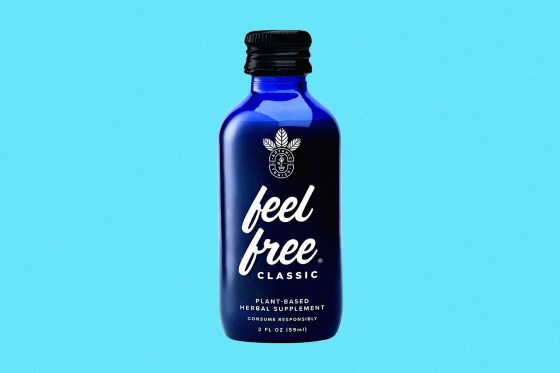
A growing controversy is unfolding across the United States as warnings about the herbal tonic “Feel Free” spread rapidly on TikTok, prompting concern among consumers, parents, and health professionals. The drink, which combines extracts of kava and kratom, has been sold for years in small blue bottles at gas stations, convenience stores, and online, marketed as a natural way to boost mood, enhance focus, and replace alcohol. But over the past several months, the narrative around it has shifted dramatically, fueled by viral videos that portray it not as a harmless botanical supplement but as a substance capable of causing dependence, withdrawal symptoms, and serious physical harm.
The alarm gained national attention after a series of TikTok posts racked up millions of views, with creators warning viewers—especially young adults and parents—to think twice before trying it. In one viral clip, an influencer with a large following looked straight into the camera and stated that the combination of kratom and kava “is drastically harming people,” describing the accounts of individuals who became hooked after only a short period of use. Many commenters shared similar experiences, admitting they initially believed the drink was safe because it was plant-based and legally sold in mainstream retail outlets.
For some, the shift from occasional use to dependency happened almost without notice. One 30-year-old California mother said she began drinking Feel Free casually in the fall of 2023, curious about the promise of alcohol-free relaxation and increased productivity. Within months, she was consuming as many as eight bottles a day. She described the experience as an escalating cycle—feeling a temporary lift after each bottle, followed by irritability, anxiety, and physical discomfort as it wore off. Eventually, she sought medical help, undergoing treatment with Suboxone to break her dependence and recover her health. Her story mirrors those told by dozens of others online, who report symptoms like insomnia, heart palpitations, skin peeling, digestive distress, and severe mood swings after prolonged use.
Medical experts say the concern lies in the pharmacological properties of its two main ingredients. Kratom, derived from the leaves of a Southeast Asian tree, acts on the brain’s opioid receptors, producing both stimulant and sedative effects depending on the dose. While some users claim it helps with pain relief or anxiety, kratom has been linked to addiction, withdrawal symptoms, and in rare cases, overdose. Kava, a root traditionally used in Pacific Island cultures, has relaxing, anti-anxiety properties but has also been associated with liver toxicity, particularly with heavy or long-term use. Combining the two may amplify risks, leading to unpredictable effects on the nervous system, liver, and cardiovascular health.
In emergency rooms, physicians are seeing cases that mimic opioid overdoses, where patients arrive with rapid heart rates, confusion, or even unresponsiveness. In other instances, users report prolonged withdrawal symptoms including muscle aches, sweats, tremors, and depressive episodes. Because both kratom and kava are marketed as dietary supplements rather than controlled substances in most states, they bypass the kind of rigorous safety testing and labeling required for pharmaceutical products. This regulatory gap has left consumers to rely largely on manufacturer claims and anecdotal reviews when deciding whether to try the product.
The manufacturer of Feel Free has defended its tonic, saying it uses natural leaf kratom and premium kava, not synthetic concentrates. The company states it has voluntarily added clearer labels, age restrictions for buyers, and serving-size guidance to promote safe use. It positions the drink as a better alternative to alcohol or heavily caffeinated energy drinks, arguing that responsible consumption can be part of a healthy lifestyle. Still, that reassurance has done little to quiet the voices of those who say they experienced life-altering side effects.
State-level action on kratom remains inconsistent. Several states have banned the sale of kratom entirely, while others have opted for partial restrictions such as age limits, licensing for retailers, and warning labels. Advocates for tighter regulation argue that more oversight is needed to protect consumers from unlisted or variable concentrations of active compounds. Opponents of a ban say that outright prohibition could push the product into unregulated black-market channels, making it even riskier.
TikTok’s role in amplifying the conversation is hard to ignore. The platform’s algorithm favors highly engaging, often emotional content, which has turned individual testimonials into viral cautionary tales. While some critics dismiss these posts as sensationalized, others point out that social media often highlights emerging public health issues long before they gain attention from traditional outlets. In the case of Feel Free, the sheer volume of firsthand accounts has forced a broader discussion about the regulation of herbal supplements, the responsibilities of manufacturers, and the ways consumers interpret the term “natural.”
Public health experts recommend that people approach such products with the same caution they would apply to any psychoactive substance, especially those not reviewed by the Food and Drug Administration. They emphasize reading ingredient lists carefully, being aware of potential interactions with medications, and monitoring for any early signs of dependency. For individuals already using Feel Free regularly, doctors advise tapering gradually under medical supervision rather than quitting abruptly, which can intensify withdrawal symptoms.
As the debate continues, the story of Feel Free underscores a larger tension in the wellness industry: the clash between marketing-driven narratives of natural, plant-based health solutions and the realities of their pharmacological impact. For some, the tonic has been a harmless, even beneficial addition to their routine. For others, it has led to months of physical recovery, emotional distress, and financial strain. Whether the current wave of social media warnings leads to greater regulation or simply more informed consumers remains to be seen, but one thing is clear—Feel Free is no longer just another drink on the shelf. It has become a cautionary tale about how quickly a trendy supplement can shift from promising relief to provoking alarm.